India AI · · 5 min read
What Happens to Indian Businesses as AI Reshapes Data Centres Like STTGDC Noida?
This article will explain how the surge in AI demand is transforming India's data centre infrastructure, what it means for specialised requirements, and the implications for Indian businesses using cloud services.
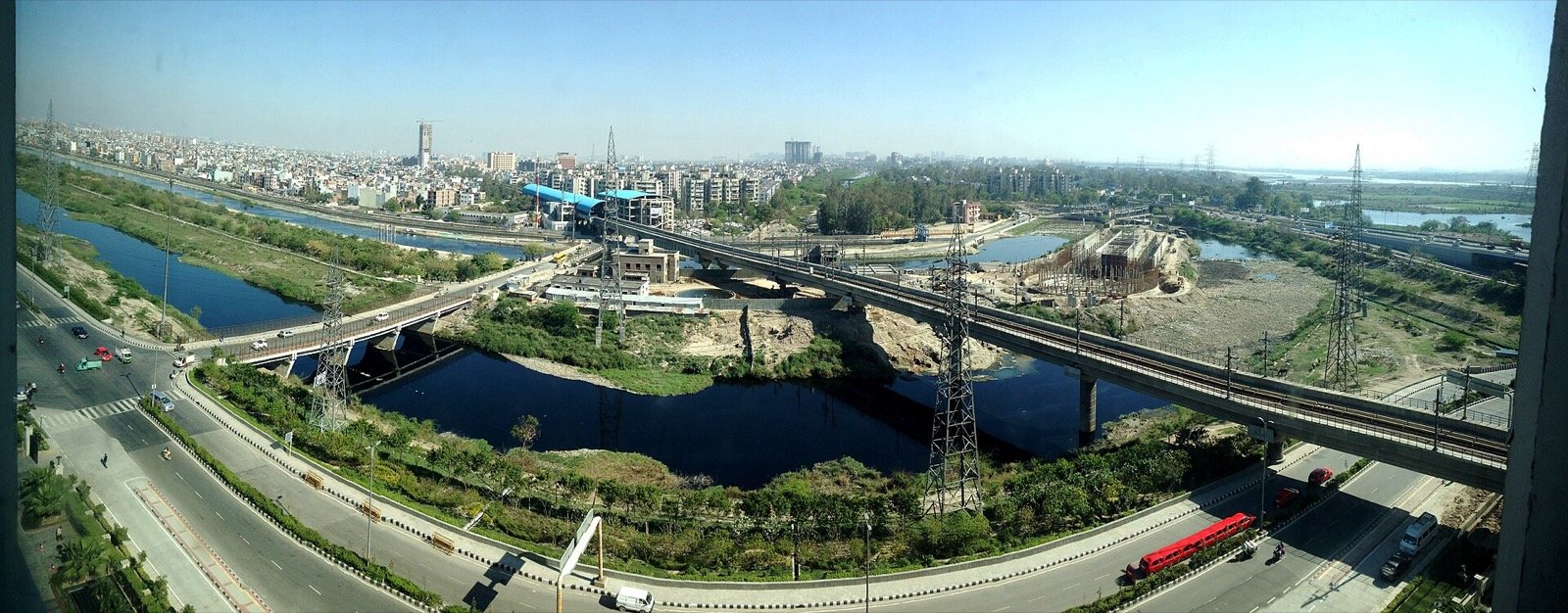
Just recently, STTGDC India, a major player in data centre services, opened its STTGDC NOI2 facility in Noida. This new centre adds a substantial 22 MW of IT load capacity to its existing infrastructure.
This isn't just an isolated expansion. The Noida facility is a key part of STTGDC's broader plan to bring approximately 200 MW of new IT capacity across the entire Delhi NCR region.
What makes this particular data centre stand out is its explicit design: it's purpose-built for 'mission-critical workloads' and, crucially, 'high-density AI workloads'. In fact, Neysa has already chosen it to expand its AI compute infrastructure, according to Outlook Business.
This move signals a significant moment for India's digital backbone. It suggests that the talk around AI's infrastructure needs is rapidly turning into concrete, physical investments.
But that's not the most interesting part. The opening of STTGDC NOI2 isn't just about a company growing its footprint; it's a clear indicator of how artificial intelligence is fundamentally changing the demands on India's digital infrastructure.
It’s forcing data centre operators to rethink everything, from power grids to cooling systems. This shift has ripple effects for every business that relies on cloud services, whether they're directly using AI or not.
That raises three questions.
Question 1
Why is STTGDC Investing so Heavily in AI-ready Data Centres in the Delhi NCR Region Now?
STTGDC's recent inauguration of STTGDC NOI2, adding 22 MW to its Noida campus, is a direct response to India's accelerating digital growth and the rapid adoption of AI. This facility is part of a larger vision to deploy approximately 200 MW of IT capacity across Delhi NCR.
For context, STTGDC already manages one of India's largest portfolios, with 34 data centres across 10 cities, representing over 613 MW of critical IT load (the maximum power a data centre's IT equipment can consume). The company's CEO, Bimal Khandelwal, stated that demand is growing for infrastructure supporting 'larger, more complex and more compute-intensive workloads'.
You see, the Uttar Pradesh government is actively encouraging technology-led investments, creating an enabling ecosystem for large-scale data centre growth. This makes Noida a strategic location. It offers proximity to a vast user base and a supportive regulatory environment.
This investment is about staying ahead of the curve. By expanding its Delhi NCR platform, STTGDC aims to provide hyperscalers (like Google, Amazon, Microsoft), cloud service providers, and enterprises with the resilient, connected infrastructure they need to scale their increasingly complex cloud, AI, and digital workloads. It's a strategic move to cement its position in a booming market.
Question 2
How Does Supporting AI Workloads Differ from Traditional Data Centre Requirements?
Supporting AI workloads is a different ball game compared to traditional cloud hosting. The new STTGDC NOI2 facility is specifically designed for 'high-density AI workloads', which means it requires significantly more robust infrastructure.
Think of your smartphone. A regular phone battery might last a day with moderate use. But if you start running graphically intensive games or complex AI apps on it, the battery drains in hours, and the phone gets hot. AI workloads are like those power-hungry apps, but on an industrial scale.
For context, AI training and inference demand immense computational power. This translates into a need for 'resilient power infrastructure' to deliver consistent, high wattage to specialised processors (GPUs, for instance). It also requires advanced cooling systems to dissipate the tremendous heat generated by these components.
The Hindu BusinessLine reported that AI-driven data centre building has actually boosted second-quarter profits for suppliers. This shows the scale of investment in these specialised components. Beyond power and cooling, 'carrier-neutral connectivity' ensures fast, reliable data transfer, and 'advanced monitoring' and 'comprehensivesecurity' are vital to manage these complex, mission-critical operations.
In short, an AI-ready data centre isn't just bigger; it's fundamentally more powerful, more efficient at cooling, and more resilient in its core design.
Question 3
What Does This Massive Build-out of AI-ready Infrastructure Mean for Indian Businesses and Their Cloud Strategies?
This strategic expansion by STTGDC, and similar moves by others, has significant implications for Indian businesses. Firstly, it means increased availability of local, high-performance computing resources.
For context, many Indian companies are keen to leverage AI but face challenges with data localisation requirements or latency issues when using overseas cloud providers. More local, AI-ready capacity addresses these concerns directly.
This build-out offers greater choice and, potentially, more competitive pricing for local cloud and GPU (graphics processing unit) capacity over time. Imagine a growing fleet of modern, high-performance cabs entering the market; you get more options, and perhaps better service at a competitive rate.
STTGDC is actively pursuing expansion across other strategic markets like Mumbai, Pune, Hyderabad, and Bengaluru, through agreements with state governments. This widespread investment creates a robust digital backbone across the country.
It means businesses can confidently plan for AI adoption, knowing that the underlying infrastructure is being built to support their needs, from managing large datasets to running complex AI models, all within India's borders. It's about empowering India's next phase of cloud and AI-led growth.
The Bigger Picture
The opening of STTGDC's Noida facility is more than just a real estate announcement; it's a foundational step in India's journey to become a global AI powerhouse. It underscores that AI isn't just about software algorithms or clever applications; it's deeply rooted in physical infrastructure.
For business leaders, this means recognising that the digital landscape beneath your operations is evolving rapidly. The underlying 'pipes and wires' are getting a significant upgrade, specifically tailored for the demanding workloads of artificial intelligence.
This shift will enable new possibilities, reduce operational friction, and ultimately shape who can innovate fastest and most effectively in the AI era. The ability to access robust, local, and AI-ready infrastructure could become a critical competitive advantage.
The future of India's digital economy will be built on these increasingly powerful, purpose-built data centres.
Quick Answers
What is STTGDC's new data centre in Noida?
STTGDC recently opened STTGDC NOI2, a 22 MW IT load capacity data centre in Noida. It is designed to support high-density AI workloads and is part of a larger plan for 200 MW of capacity across Delhi NCR.
How does AI impact data centre requirements?
AI workloads demand significantly more power and generate more heat than traditional cloud services. This requires data centres to have robust power infrastructure, advanced cooling systems, and specialised designs to handle high-density computing equipment.
What does this mean for Indian businesses?
The expansion of AI-ready data centres in India provides businesses with more local, high-performance computing options. This can lead to lower latency, better compliance with data localisation rules, and potentially more competitive pricing for cloud and GPU capacity.
Sources
- Outlook Business12 Nov · 17:26 IST
- The Hindu BusinessLine13 Nov · 03:31 IST
Facts are credited to the outlets above. The analysis, calculations and Signal Check are by the Finnect AI Insights desk.