Funding & Deals · · 5 min read
Is AI's Future Dependent on Better Data Centre Cooling?
Samsung's reported interest in Modine highlights how data centre cooling is becoming a bottleneck for AI. We explore why efficient cooling is vital for AI infrastructure and what it means for businesses.
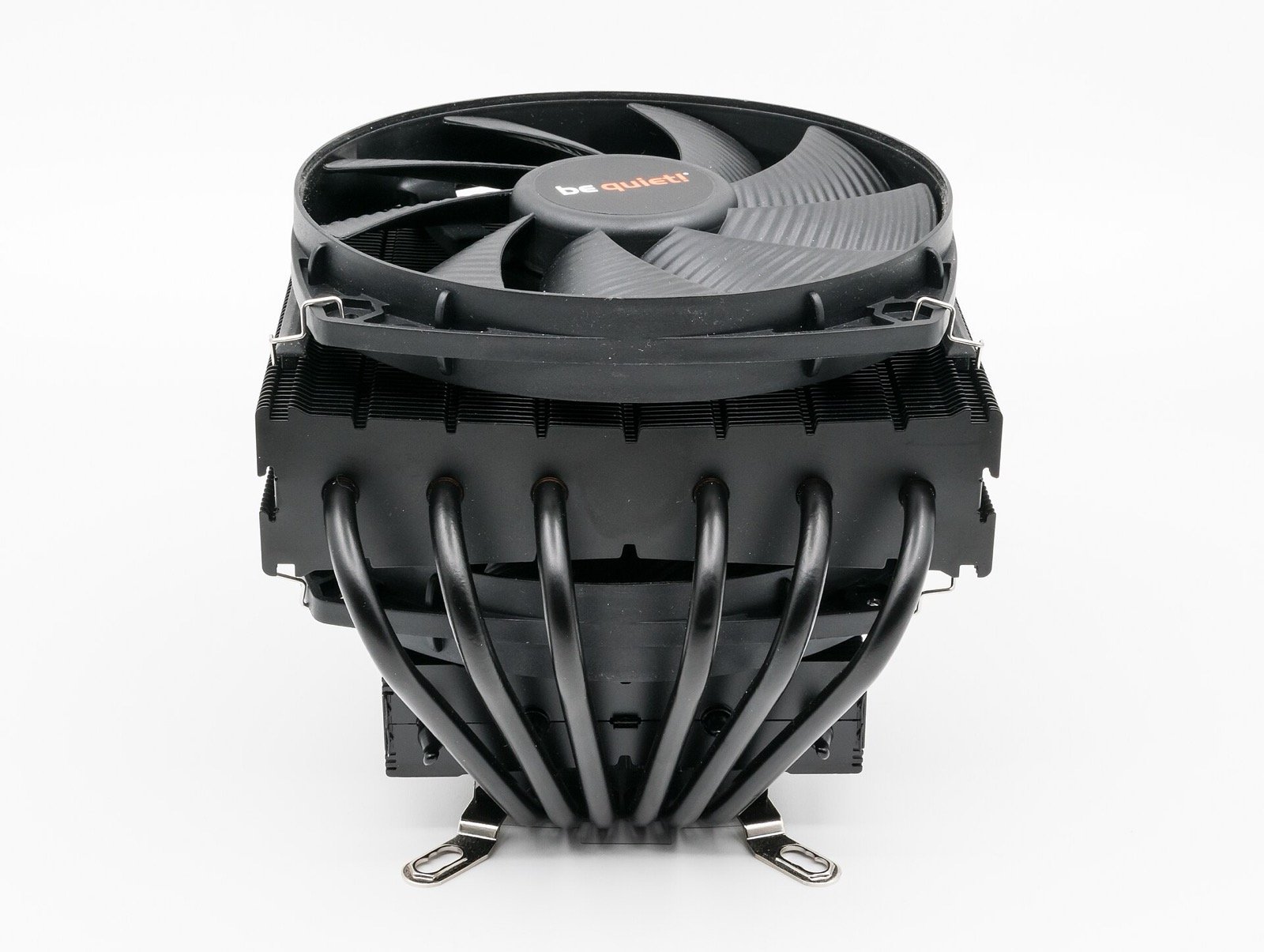
When Samsung Electronics, a global giant known for everything from smartphones to semiconductors, reportedly eyes a US company valued at $5.6 billion, you might expect a flashy software firm or a new chip designer.
But the target? Modine, a specialist in data centre cooling. Moneycontrol reported Samsung is in talks to acquire Modine, sending the US firm's shares soaring by 28% on the news.
This isn't just another acquisition rumour. It's a powerful signal about where the real bottlenecks in the artificial intelligence (AI) race are emerging.
As AI systems grow more complex, they demand more processing power, and that power generates immense heat. Suddenly, keeping things cool is as critical as the chips themselves. That raises three questions.
Question 1
What is Driving Samsung's Interest in Modine and Data Centre Cooling?
Samsung's reported pursuit of Modine, a company focused on thermal management, points to a fundamental truth about the AI boom: it's not just about algorithms and software. It's deeply physical. According to Moneycontrol, the South Korean electronics titan is in talks to acquire Modine, which is valued at an impressive $5.6 billion.
This news alone caused Modine's shares to jump by 28%, indicating the market's recognition of the strategic value here.
For context, the chips that power advanced AI models, like those used in large language models, are incredibly dense and perform billions of calculations per second. This intense activity generates significantly more heat than traditional server processors. Imagine trying to run a heavy graphics game on your smartphone for hours; it quickly gets hot, right? AI chips are like that, but on an industrial scale, packed into massive data centres. NewsBytes noted that these talks are part of a broader consolidation trend fuelled by the surging demand for AI infrastructure.
Samsung, a major player in semiconductors and electronics, sees that controlling the cooling component is as crucial as making the chips themselves. Without effective cooling, even the most powerful AI chips can't operate at their peak, risking shutdowns and reduced lifespan. This is much like how a phone manufacturer doesn't just design the processor but also the cooling system (even if it's just a small heat sink) to ensure the phone performs optimally without overheating. And that brings us to the second question.
Question 2
How Does Data Centre Cooling Work, and Why is It so Critical for AI Systems?
Data centres are essentially huge warehouses filled with racks of servers, processing and storing vast amounts of data. Traditionally, these centres used air cooling, much like a giant air conditioner. Cold air is pushed through the server racks, absorbing heat, and then hot air is expelled. But AI changes the game.
The high-density chips powering AI applications produce so much heat that conventional air cooling often isn't enough to keep them within safe operating temperatures. For the uninitiated, imagine your office building on a hot summer day. A regular AC unit keeps it comfortable. Now, imagine putting a dozen high-powered industrial ovens in that same office. The regular AC simply wouldn't cope.
You'd need a much more sophisticated cooling system, possibly even targeted cooling directly at the ovens. This is the challenge AI data centres face.
Enter more advanced cooling methods, such as liquid cooling. This involves circulating a liquid (like water or a dielectric fluid) directly over or near the hot components. It's far more efficient at transferring heat away from the chips. Think of it like a car's radiator system, which uses liquid to cool the engine, rather than just relying on air flowing over it. This shift is critical because inefficient cooling leads to performance degradation, increased energy consumption (as more power is needed for cooling), and even hardware failures. Cooling capacity is fast becoming a central bottleneck, directly impacting how fast and where new AI data centres can be built. And that brings us to the third question.
Question 3
What Does the Growing Importance of Cooling Mean for Businesses Building or Relying on AI?
For business leaders, the Samsung-Modine talks underscore a vital shift: AI infrastructure is not just a software cost or a cloud subscription fee. It's a complex physical challenge. The "AI build-out," as NewsBytes put it, is moving deeper into physical infrastructure. This means that companies planning to deploy or scale AI capabilities must now consider the underlying physical realities, especially cooling.
For context, think about setting up a new manufacturing plant. You don't just buy the machinery; you also plan for the power supply, water, ventilation, and structural integrity of the building. Similarly, for AI, cooling capacity and its associated costs will significantly shape where and how quickly data centres can expand. What does this mean for you?
If your business relies heavily on AI, or plans to, you need to ask questions like: How robust is the cooling infrastructure of our cloud provider? Are we considering the energy costs associated with cooling our on-premise AI servers?
The cost of cooling can be substantial. It's not just the equipment itself but the electricity required to run it, often consuming a significant portion of a data centre's total energy budget. This means businesses need to factor in these operational expenditures. It also means that innovation in cooling technology, like Modine's expertise, translates directly into more efficient, cost-effective, and reliable AI operations. It's no longer just about computational power; it is about the sustainable and scalable delivery of that power.
The Bigger Picture
The quiet hum of a server farm might seem far removed from the dazzling promise of AI, but Samsung's reported interest in a cooling specialist like Modine pulls back the curtain on a crucial truth.
The race for AI dominance isn't just fought in lines of code or cutting-edge chip designs; it's also won in the trenches of physical infrastructure, where mundane problems like heat management become billion-dollar questions.
Businesses that grasp this interconnectedness, understanding that the digital future rests on physical foundations, will be better positioned to build truly scalable and sustainable AI operations. The coolest tech, it turns out, needs to be literally cool.
Quick Answers
Why is Samsung interested in Modine?
Samsung's interest in Modine stems from the intense heat generated by high-density AI chips. Effective cooling is crucial for these chips to perform optimally and for the overall efficiency and longevity of AI data centres. Acquiring a cooling specialist helps Samsung address a critical bottleneck in AI infrastructure.
How do AI chips affect data centre cooling needs?
AI chips perform billions of calculations per second, generating significantly more heat than traditional server processors. This increased heat overwhelms conventional air cooling systems, necessitating more advanced solutions like liquid cooling to maintain safe operating temperatures and prevent performance degradation or hardware failure.
What does cooling mean for businesses using AI?
For businesses, the growing importance of cooling means that AI infrastructure is a complex physical challenge, not just a software or cloud cost. They must factor cooling capacity, energy consumption, and associated operational expenses into their AI strategy, influencing where and how they scale their AI operations.
Sources
- Moneycontrol13 Nov · 04:45 IST
- NewsBytes13 Nov · 07:24 IST
Facts are credited to the outlets above. The analysis, calculations and Signal Check are by the Finnect AI Insights desk.