India AI · · 4 min read
Is NVIDIA's Lifeline to Indian AI Startups at Risk?
This article will explore the immediate and long-term implications for Indian AI startups like Sarvam AI and Simplismart, considering potential leadership changes at NVIDIA and the shadow of US export controls.
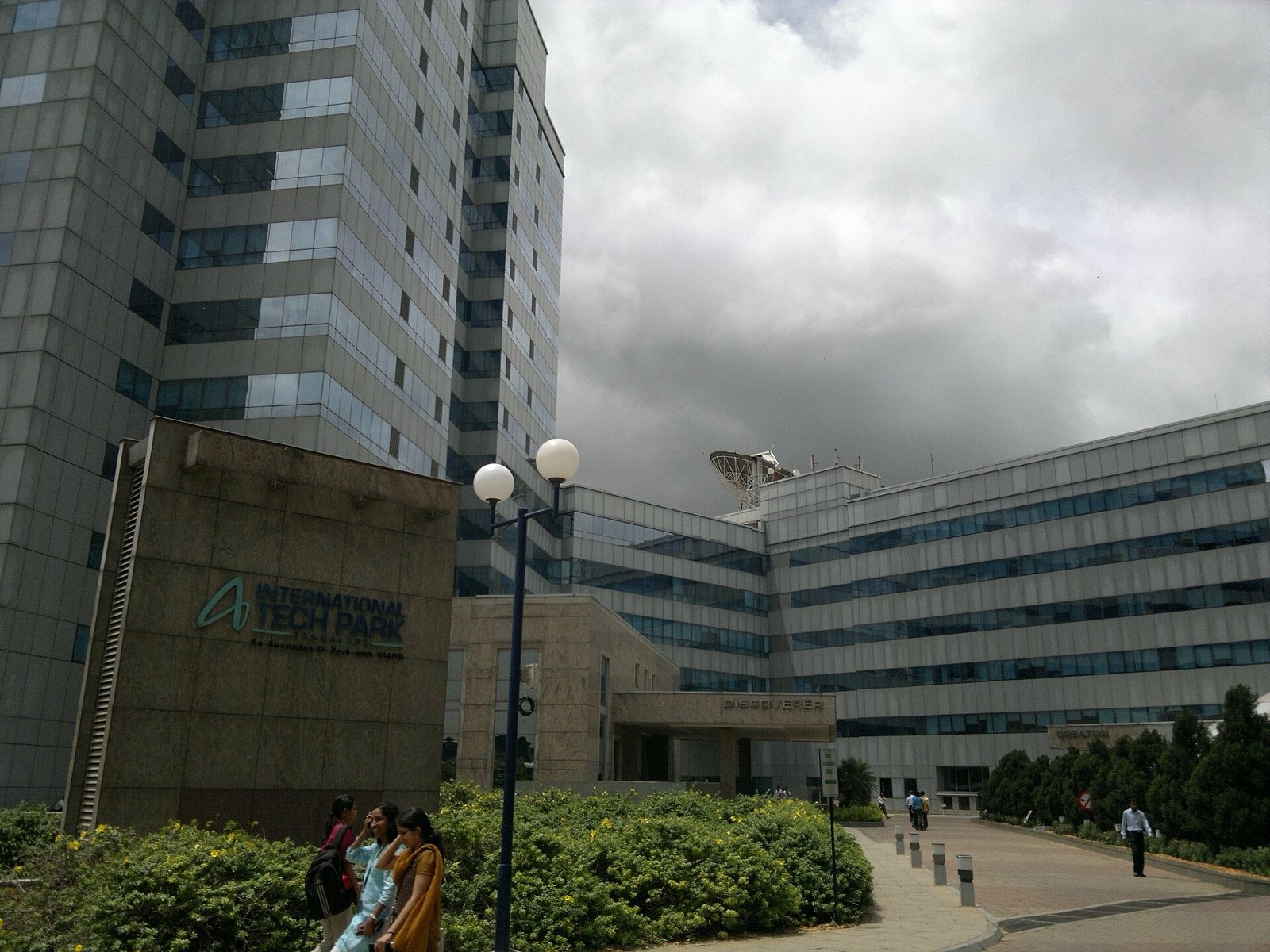
Imagine a young tech startup in Bengaluru, buzzing with innovation, building the next big AI solution. For many such firms in India, including names like Sarvam AI and Simplismart, a key partner isn't just a venture capitalist, but a hardware giant: NVIDIA.
This past week, a whisper ran through the global tech corridors: what if Jensen Huang, NVIDIA's long-standing CEO, were to step down? While investors quickly downplayed immediate impacts on Indian startups, the question lingered.
These Indian AI companies rely heavily on NVIDIA, not just for capital, but for crucial hardware, cloud credits, and engineering expertise. It's a relationship that goes far beyond a simple investment.
But simply saying the immediate impact is limited misses the bigger picture. The relationship between NVIDIA and Indian AI is complex, built on more than just funding.
The prospect of a leadership change, coupled with the looming threat of tighter US export controls on AI chips, casts a long shadow over this critical partnership. That raises three questions.
Question 1
What is NVIDIA's Role in India's AI Ecosystem Beyond Direct Investment?
NVIDIA's involvement with Indian AI startups like Sarvam AI and Simplismart extends far beyond writing a cheque. While direct capital investment is certainly part of the equation, it's the other forms of support that often prove more critical.
Indian AI startups rely on NVIDIA for essential hardware access, particularly its powerful Graphics Processing Units (GPUs) which are the backbone of AI training and inference. They also benefit from cloud credits and invaluable engineering help, as Moneycontrol reported.
For context, GPUs are specialised electronic circuits designed to rapidly manipulate and alter memory to accelerate the creation of images in a frame buffer intended for output to a display device. In AI, they are crucial for handling the massive parallel computations needed for machine learning models. NVIDIA dominates this market.
Think of it like a popular chai stall owner (NVIDIA) in a busy market. They don't just give you money to open your own stall (capital). They also provide the special stove, the unique blend of spices, and even teach you the secret recipe (hardware, cloud credits, and engineering help). Without that holistic support, building a successful chai business (AI startup) becomes much harder.
This deep integration means Indian AI startups are intricately woven into NVIDIA's ecosystem, making them highly dependent on its continued, multifaceted support.
Question 2
How Might a Leadership Change at NVIDIA or US Export Controls Impact Indian AI Startups?
While investors told Moneycontrol that the immediate impact of a potential Jensen Huang exit on Indian startups is likely to be limited, they also cautioned that a change in leadership could affect NVIDIA's investments, technology support, and partnerships over time.
This long-term uncertainty is compounded by a more immediate concern: tighter US export controls on AI chips. Moneycontrol separately reported that the Indian industry is already bracing for these restrictions.
For context, export controls are government regulations that limit the sale or transfer of specific technologies, often for national security reasons. For AI chips, this means restrictions on advanced GPUs reaching certain countries, including potentially India for the highest-end components.
Consider a busy toll plaza on a national highway. If the chief operations manager (NVIDIA's leader) changes, the current flow of vehicles (ongoing projects and support) continues smoothly for a while. But if the government (US export controls) suddenly imposes new rules, like restricting certain types of trucks (advanced AI chips) or dramatically increasing tolls (chip prices), then every driver (AI startup) faces significant delays, higher costs, or even a complete halt.
The real risk for Indian AI startups isn't just a change at the top, but the potential for a constrained supply of crucial hardware. This could lead to significantly higher operational costs and a slower pace of innovation if access to cutting-edge chips becomes restricted.
Question 3
What Should Indian Businesses Relying on AI Providers Do to Prepare?
For Indian businesses across sectors, from manufacturing to healthcare, that are increasingly adopting AI solutions, the implications are clear. You need to understand the resilience of your AI providers' underlying infrastructure.
Our earlier read suggested that businesses using Indian AI providers should proactively ask how their GPU supply is secured. This isn't just a technical question; it's a strategic one about business continuity and cost stability.
Think about it like your mobile phone battery. You don't just ask if your phone works today. You also ask about its battery health, its charging speed, and how long it will last with heavy use. You need to know if it can sustain your operations.
Similarly, businesses need to probe their AI partners about their hardware supply chain. Do they have diversified sources for GPUs? Are they exploring alternatives to NVIDIA, such as other chip manufacturers or even open-source hardware designs? What are their long-term contracts for compute resources?
Understanding these factors will help you assess the potential for future cost increases or service disruptions, allowing you to plan for contingencies and ensure the robustness of your AI-powered operations.
The Bigger Picture
The subtle shifts in global tech leadership and policy, even if they don't make headlines every day, have profound implications for the underlying infrastructure of India's digital economy.
For Indian businesses, the lesson is clear: in the age of AI, understanding your supplier's supply chain is as vital as understanding their product. The resilience of your AI solutions depends not just on the software, but on the silicon it runs on.
The chai stall might be running smoothly today, but knowing where the tea leaves come from, and who owns the stove, is becoming essential for tomorrow's menu.
Quick Answers
How does NVIDIA support Indian AI startups?
NVIDIA provides Indian AI startups with crucial hardware access (GPUs), cloud credits, engineering assistance, and direct capital investments, fostering their growth and innovation.
What is the immediate impact of a potential Jensen Huang exit on Indian AI startups?
According to investors, the immediate impact of a leadership change at NVIDIA on Indian AI startups like Sarvam AI and Simplismart is expected to be limited.
How could US export controls affect Indian AI startups?
Tighter US export controls on AI chips could lead to reduced access to advanced hardware for Indian AI startups and potentially increase their operational costs over time.
Sources
- Moneycontrol12 Nov · 23:19 IST
- Moneycontrol12 Nov · 10:21 IST
Facts are credited to the outlets above. The analysis, calculations and Signal Check are by the Finnect AI Insights desk.