India AI · · 5 min read
Can India's Power Grid Really Fuel the AI Boom?
We explore how India plans to meet the energy and water needs of the rapidly growing AI sector and what it means for businesses.
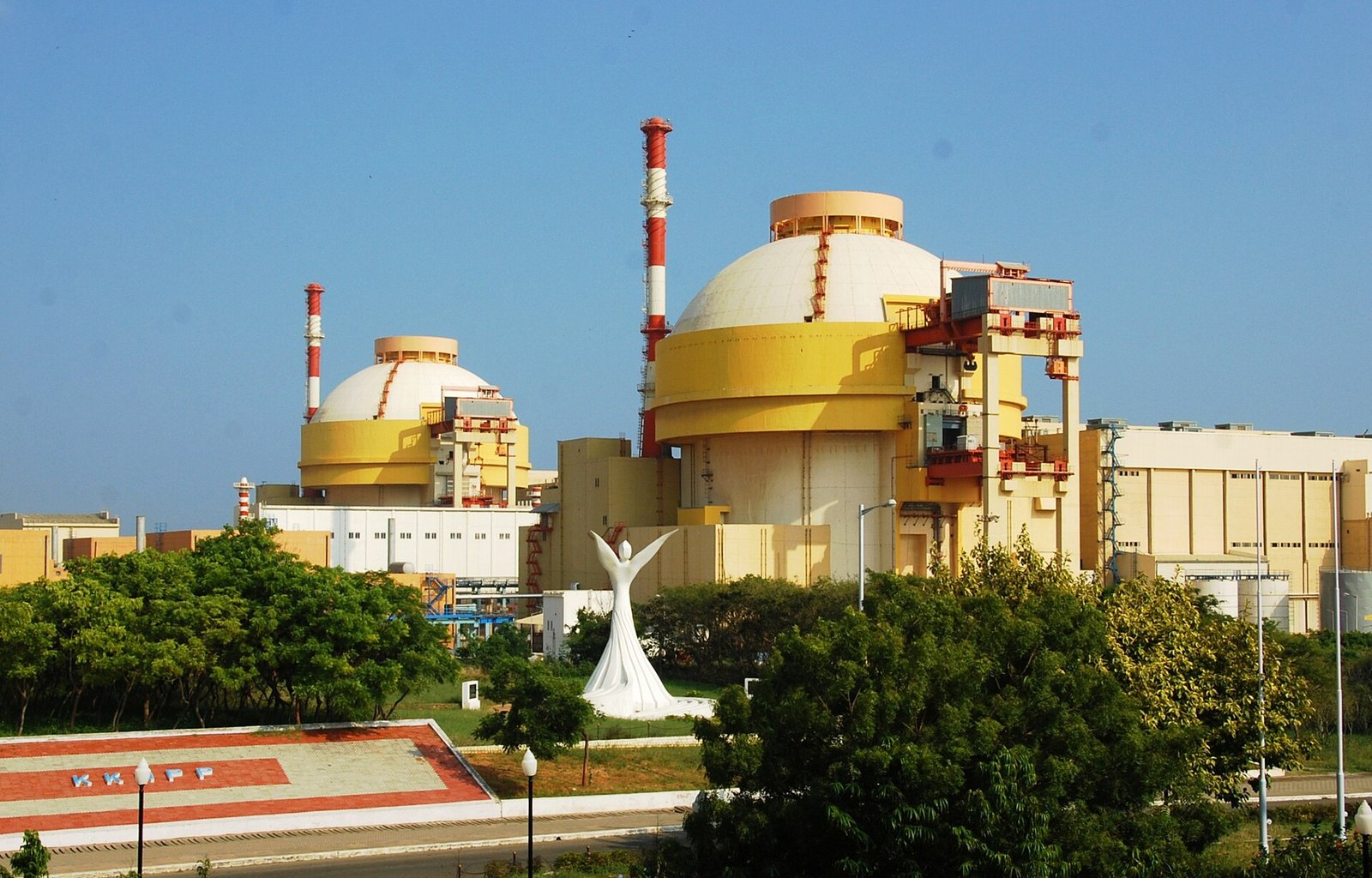
Just recently, Prime Minister Narendra Modi threw his weight behind nuclear power, a move that might seem like a long-term play for India's energy future.
But Moneycontrol reported that his statement was directly linked to an immediate and growing challenge: the surging electricity demand from AI and data centres across the nation.
This isn't just about keeping the lights on. It is about powering the very infrastructure that will drive India's digital economy and its ambitions in artificial intelligence.
The rise of AI isn't just a software story; it is a hardware story, and a massive energy story.
Running complex AI models, training large language models, and simply storing the vast amounts of data needed for these systems requires a colossal, constant supply of power and, surprisingly, a lot of water.
That raises three questions.
Question 1
What is Driving This Surge in Electricity Demand for AI in India?
At its core, artificial intelligence is about processing immense amounts of data. Each query you make to an AI assistant, each image it generates, every piece of analysis it performs requires significant computational effort.
This effort translates directly into electricity consumption. Moneycontrol noted that AI and data centres are key drivers of India's rising electricity demand.
For context, think of a massive factory floor, not one producing cars, but one producing digital insights. Instead of heavy machinery, you have thousands of powerful servers, each working overtime to crunch numbers and run complex algorithms. What exactly makes AI so power-hungry?
These servers, especially those running advanced AI workloads, draw substantially more power than traditional servers. They are designed for parallel processing, meaning they perform many calculations simultaneously, which is incredibly efficient for AI but also incredibly energy-intensive.
This intense computational activity generates a significant amount of heat. To prevent these expensive machines from overheating and failing, data centres require sophisticated cooling systems, which themselves consume a large amount of electricity.
So, the more advanced and widespread AI becomes, the more electricity we need, creating a spiralling demand that traditional grids weren't designed to handle. And that brings us to the second question.
Question 2
How Will India's Energy Strategy, Including Nuclear Power, Address These Growing Needs?
To tackle this escalating demand, PM Modi has outlined a multi-pronged approach to strengthen India's energy security. According to Moneycontrol, this strategy includes increasing fuel production, maintaining strategic crude storage, expanding renewable energy, and crucially, boosting nuclear power.
For context, India's energy mix has traditionally relied heavily on fossil fuels. While renewables like solar and wind are growing rapidly, they are intermittent; they only produce power when the sun shines or the wind blows. How will this new strategy ensure the lights stay on for these power-hungry operations, which need constant, uninterrupted power?
Nuclear power, however, offers a 'baseload' supply. Imagine a chai stall that needs to serve customers 24/7. Solar panels might power its lights during the day, but at night, or on a cloudy day, it needs a reliable grid connection, or a powerful generator, to keep the chai flowing.
Nuclear power acts like that reliable, always-on generator, providing a constant, high-capacity flow of electricity, day and night, regardless of weather conditions. This stability is vital for data centres, which cannot afford even a momentary power disruption, as it can lead to data loss and operational downtime.
A diversified energy portfolio, with nuclear as a stable component, aims to provide the consistent, high-quality power that AI needs to thrive without interruption. And that brings us to the third question.
Question 3
What Does This Mean for Businesses Planning Their AI Infrastructure in India?
For businesses looking to build or expand their AI capabilities in India, the implications are significant. It is not just about having power; it is about having enough power, reliably, and sustainably. What factors should you consider when choosing a location for your AI infrastructure?
The Outlook India opinion piece highlighted that a data facility's water usage is determined by its cooling design, the local climate, and its power supply.
For context, data centres generate a huge amount of heat. To prevent servers from overheating and failing, they need sophisticated cooling systems. These systems often rely on water, either directly for evaporative cooling or indirectly for the power generation process that feeds the facility.
Think of it like keeping a high-performance engine cool. The harder it works, the more heat it generates, and the more coolant (or water) it needs. In India's often hot and humid climate, this cooling demand is even higher, making water an equally critical resource alongside electricity.
This means that simply finding cheap land is not enough. Businesses must now critically evaluate the long-term energy and water resources of potential locations, as these will directly impact operational costs, environmental footprint, and the overall viability of their AI infrastructure in the long run.
The Bigger Picture
The energy challenge posed by AI is a global one, but its scale in a rapidly digitising nation like India is particularly pronounced, given its massive population and ambitious growth targets.
The government's emphasis on a diversified energy strategy, including nuclear power, signals a long-term commitment to securing the foundational resources for India's AI ambitions, ensuring the digital future isn't held back by power shortages.
For business leaders, this means that energy and water are no longer just operational costs; they are strategic assets that will dictate where and how future AI growth can occur, influencing site selection and investment decisions.
The humming servers of AI are a powerful engine, but they need a steady, sustainable fuel to truly transform India's business landscape and unlock its full potential.
Quick Answers
Why is AI increasing electricity demand in India?
AI workloads, which involve complex data processing and computations, require powerful servers that consume significantly more electricity than traditional systems. These servers also generate a lot of heat, demanding more energy for cooling.
How is India planning to meet AI's energy needs?
Prime Minister Modi has outlined a strategy to strengthen energy security, including boosting fuel production, strategic crude storage, expanding renewable energy, and increasing nuclear power capacity to provide stable, high-capacity electricity.
What should businesses consider for AI infrastructure in India?
Businesses planning AI-heavy operations in India must prioritise the availability of consistent, high-capacity power and sufficient water resources. These factors are crucial for running and cooling data centres, impacting operational costs and long-term viability.
Sources
- Moneycontrol12 Nov · 22:11 IST
- Outlook India12 Nov · 11:19 IST
Facts are credited to the outlets above. The analysis, calculations and Signal Check are by the Finnect AI Insights desk.