Policy · · 4 min read
Can the EU Really Bridge Its AI Gap with Funding Disputes and Red Tape?
We explore the true challenges facing Europe's AI ambitions, from stalled infrastructure projects to regulatory bottlenecks, and what this means for businesses.
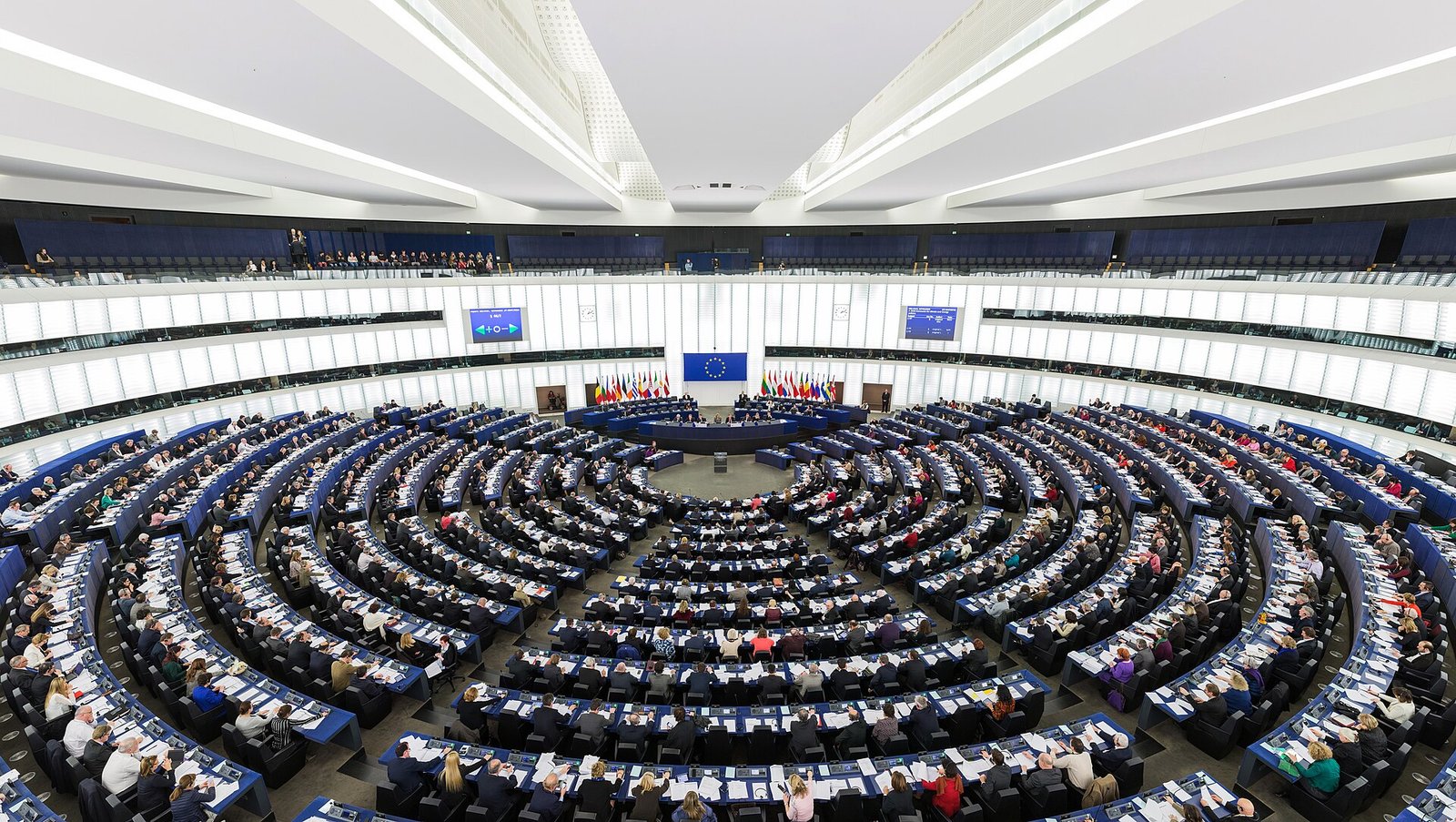
Dublin recently hosted a historic gathering: the European Union's first-ever summit dedicated to Artificial Intelligence. Leaders converged amidst mounting worries about AI's transformative, yet sometimes alarming, potential.
The air was thick with ambition, with figures like Mistral AI chief executive Arthur Mensch and Nobel Prize-winning AI pioneer Geoffrey Hinton briefing the delegates. Yet, a shadow loomed. Just days earlier, Nvidia CEO Jensen Huang had reportedly resigned, a titan in the AI chip world, adding to the industry's sense of turmoil.
This summit wasn't just about setting ethical guardrails; it was a candid debate on a pressing question: how can the bloc possibly catch up with the rapid pace of AI development set by the United States and China?
The urgency is clear. Europe faces a widening technological and industrial gap. But the real story isn't just about the gap itself; it's about the internal hurdles preventing the EU from closing it.
The discussions in Dublin highlighted persistent problems, from funding disagreements to bureaucratic red tape, that threaten to derail even the most ambitious plans.
That raises three questions.
Question 1
What Challenges is the EU Facing in Its AI Ambitions?
Europe's leaders met in Dublin with a clear goal: to debate how the bloc can close its significant AI gap with the United States and China. European Council President Antonio Costa underscored the need for this discussion, citing AI's transformative effect on economies and societies, according to The Hindu.
For context, the EU has already seen one major technology initiative fall short. Three years ago, the bloc implemented the Chips Act, aiming to double its share of the global chip market to 20% by 2030. Reports indicate this initiative is likely to miss its target, struggling to attract advanced manufacturing at scale.
This struggle highlights a broader weakness. Europe is grappling with industrial and technological deficits while the US and China race ahead in frontier AI development, as The News International reported. Europe, it seems, has to significantly ramp up its efforts if it wants to be a serious AI player. This urgency is palpable, especially with mounting anxieties over 'rogue AI agents' and the systemic security risks posed by increasingly complex machine learning systems, as reported by The News International. So, what exactly is holding Europe back? That brings us to the second question.
Question 2
How Do Funding Disputes and Red Tape Hinder Europe's AI Development?
Even with clear ambitions, the EU faces significant internal roadblocks. A key initiative to build seven AI gigafactories, designed to house advanced AI processors, software, cloud technology, and data centres, has stalled. Why?
These plans are stuck because EU member states are locked in funding disputes over how to finance these competitiveness projects within the upcoming 2028-2034 long-term budget, The News International reported. Imagine a city planning to build a network of modern flyovers to ease traffic (illustrative number: cost Rs 500 crore). If each neighbourhood council insists on paying only for the flyovers in its own area, or argues endlessly over the share of the common access roads, the entire project, despite its clear benefits, grinds to a halt. That's essentially what's happening with Europe's AI infrastructure.
Beyond money, red tape is another major bottleneck. While the EU's pioneering AI Act is globally praised for setting ethical standards, industry figures like Mistral AI's CEO and AI pioneer Geoffrey Hinton are heavily pressuring leaders to slash regulatory burdens. This suggests that even as the EU seeks to be a global standard-setter, its own internal processes might be slowing down innovation and investment, potentially stifling the very innovation it hopes to foster. What does this complex situation mean for businesses looking to operate in or with Europe? That's our third question.
Question 3
What Does the Dublin Summit Mean for Businesses Operating in or with Europe?
For businesses, the Dublin summit signals a complex landscape. On one hand, the EU is committed to setting guardrails and fostering a responsible AI ecosystem. The AI Act, for example, aims to provide clear ethical standards, which can offer predictability for companies developing AI-enabled products and services.
On the other hand, the persistent issues of funding disputes and red tape mean that the foundational infrastructure needed to truly compete globally could be delayed. This could translate into slower access to advanced compute power, less robust cloud infrastructure, or a less dynamic local AI ecosystem compared to the US or China.
Companies looking to innovate within Europe might find themselves navigating a paradox: a clear regulatory framework but a potentially slower pace of infrastructural development. This means businesses might need to factor in longer timelines for accessing cutting-edge resources or consider partnerships that can bridge these potential gaps. The summit's agenda also included discussions on tech sovereignty, meaning the EU wants to reduce its reliance on external powers for critical AI components and services. This push for sovereignty, while strategic, could also lead to additional complexities for international businesses.
The Bigger Picture
The Dublin summit underscores a critical lesson for any business leader: ambition alone isn't enough. Even with a clear vision for technological leadership and a commitment to ethical standards, internal friction and bureaucratic hurdles can severely impede progress.
For Europe, the challenge isn't just about catching up in AI; it's about forging genuine unity on how to finance and implement large-scale, transformative projects. Without a cohesive strategy for both regulation and investment, the dream of European AI sovereignty will remain just that: a dream.
The path forward requires not just grand pronouncements, but concrete action and a willingness to overcome internal disagreements for the collective good. The global AI race waits for no one.
Quick Answers
What was the main purpose of the EU's first AI summit?
The main purpose was for EU leaders to debate how the bloc can catch up with the United States and China in Artificial Intelligence development, addressing funding issues and other strategic challenges.
What challenges does the EU face in AI development?
The EU faces a widening technological gap, with existing initiatives like the Chips Act falling short. It also struggles with stalled plans for AI gigafactories due to member state funding disputes and pressure to reduce regulatory red tape.
How does the EU AI Act relate to the summit's goals?
The EU AI Act is globally praised for setting ethical standards, aligning with the summit's aim to set guardrails for AI. However, industry figures are pushing to slash regulatory burdens associated with the Act, highlighting a tension between regulation and rapid development.
Sources
- The Hindu13 Nov · 04:17 IST
- The News International13 Nov · 05:19 IST
- U.S. News Money13 Nov · 00:55 IST
Facts are credited to the outlets above. The analysis, calculations and Signal Check are by the Finnect AI Insights desk.